I read In Praise of Shadows about a month before Japan. Tanizaki teaches you to see how the Japanese use reflection and gold — how a single low light can do what a whole bright room cannot. By the time we landed in Kyoto, I was primed to notice, and I wanted the people I was traveling with to notice too.
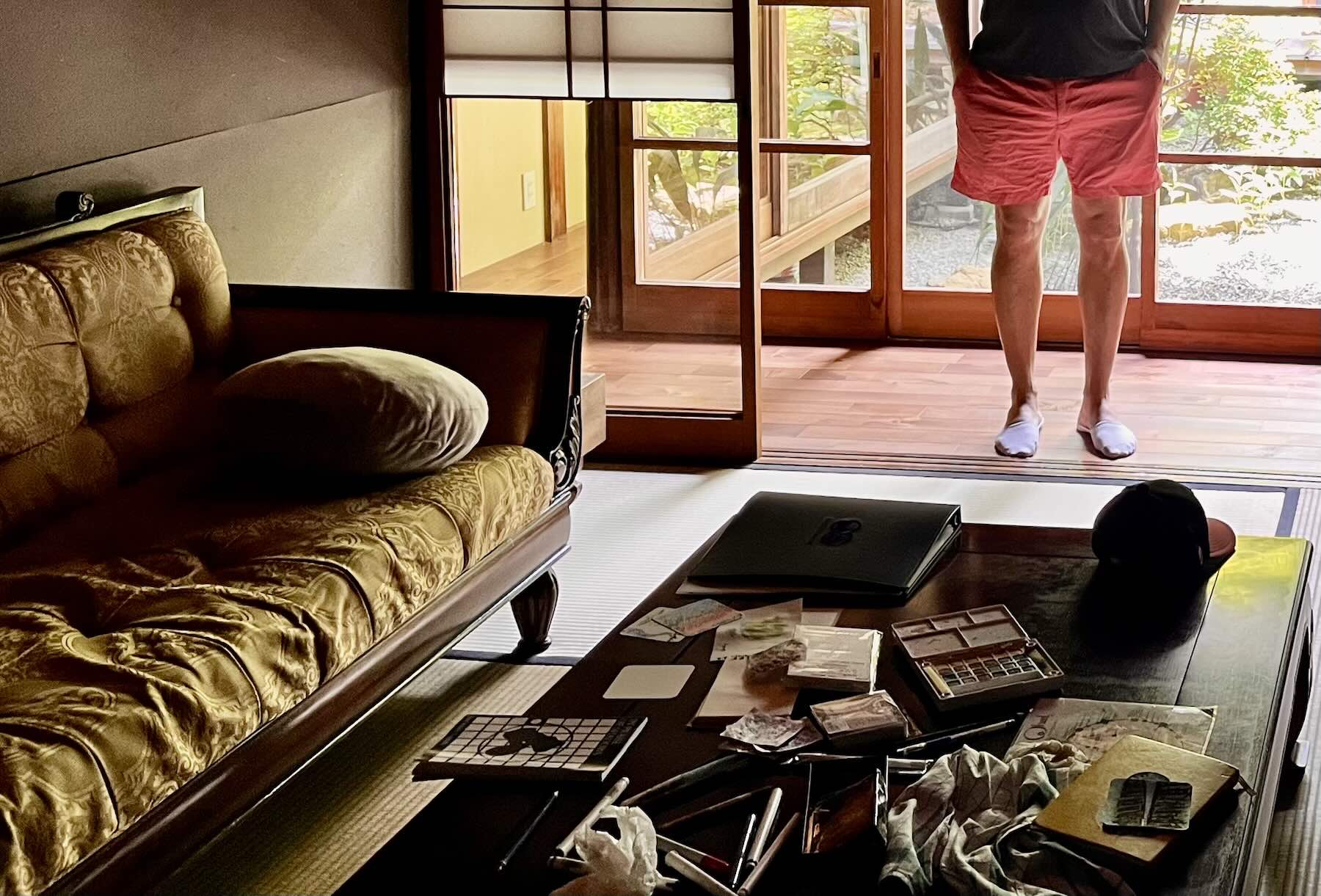
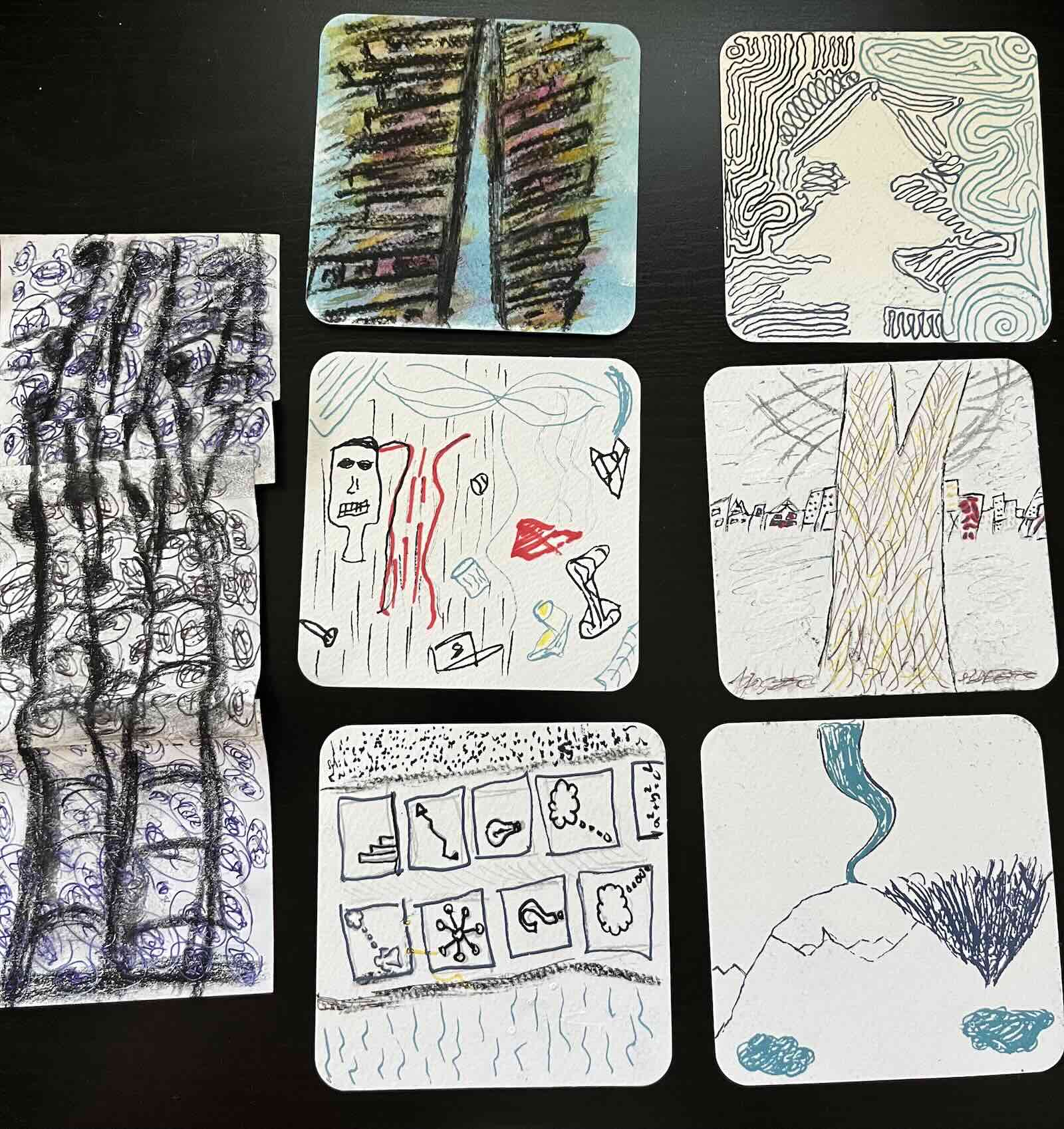
On our first night together, I put a stack of art materials out in the sitting room of the place we'd rented and asked everyone to draw something that represented our time together in Japan. Didn't matter what — just that I'd use it in a collage when I returned home, and that they had to finish it before we left for Tokyo. That was the whole instruction.
It felt slightly absurd in the moment. We'd just arrived, hadn't seen each other in about a year, and here I was handing out little watercolor cards I'd bought at Tokyu Hands, telling people to draw something when they probably hadn't done that in decades. But they did it. And something shifted — the trip started with all of us paying attention on purpose, together, instead of just arriving and consuming it.
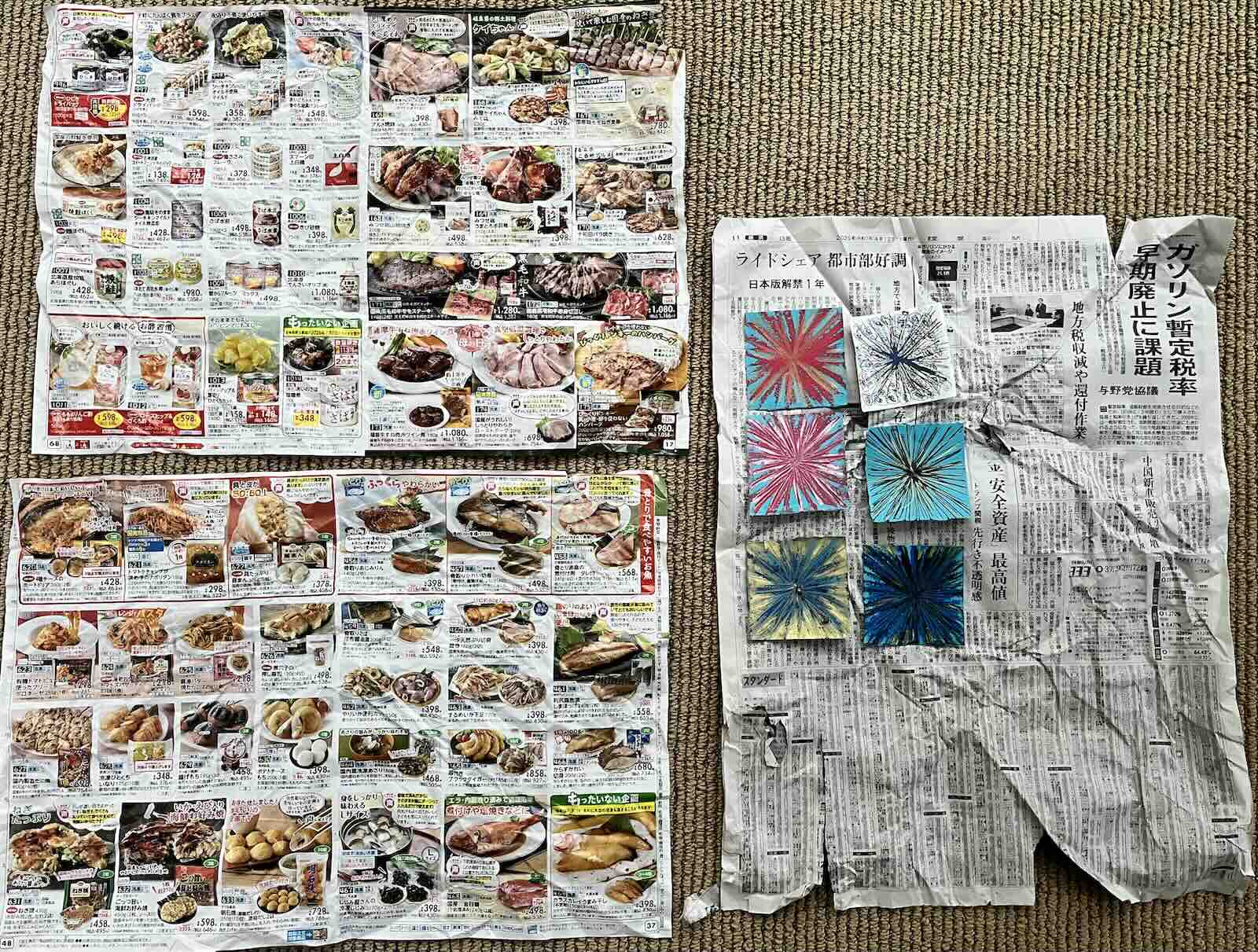
Over the trip, the cards accumulated. So did other things. A woman at a ceramics shop wrapped my purchases in sheets of Japanese newsprint and weekly ad circulars. I kept them. Receipts. A few small pieces my friends and I made along the way. None of it precious. All of it ours, from those specific days.
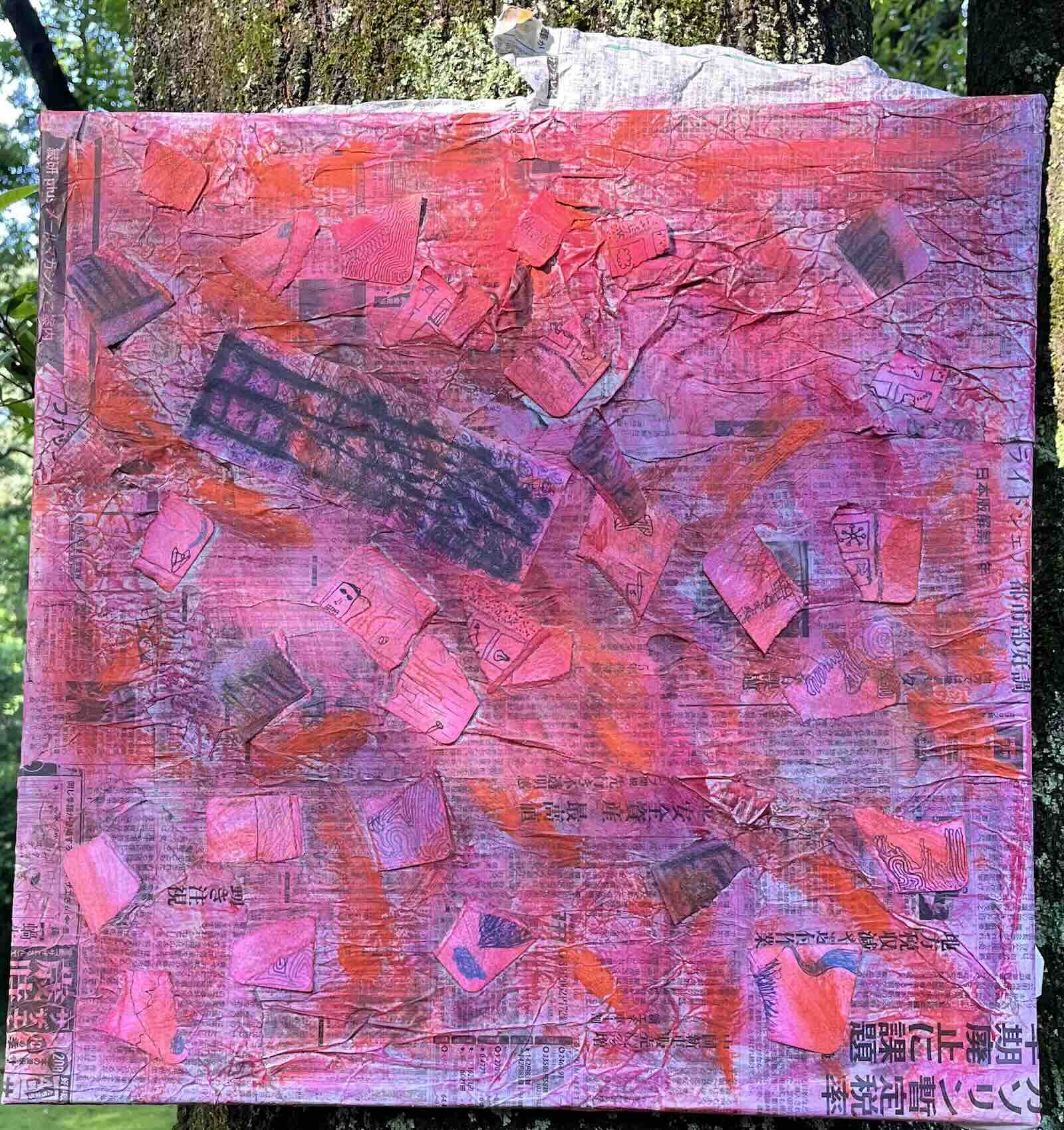
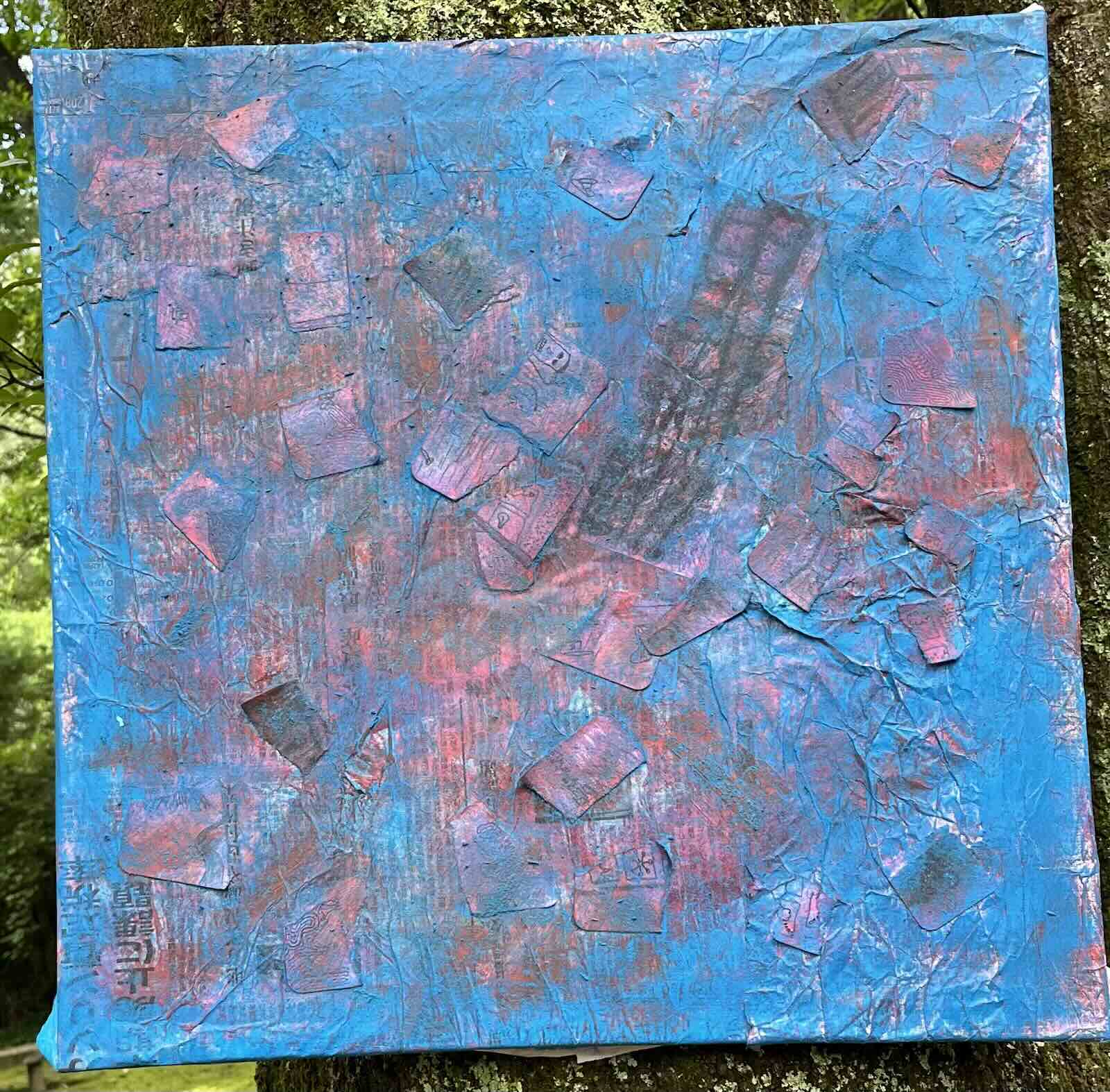
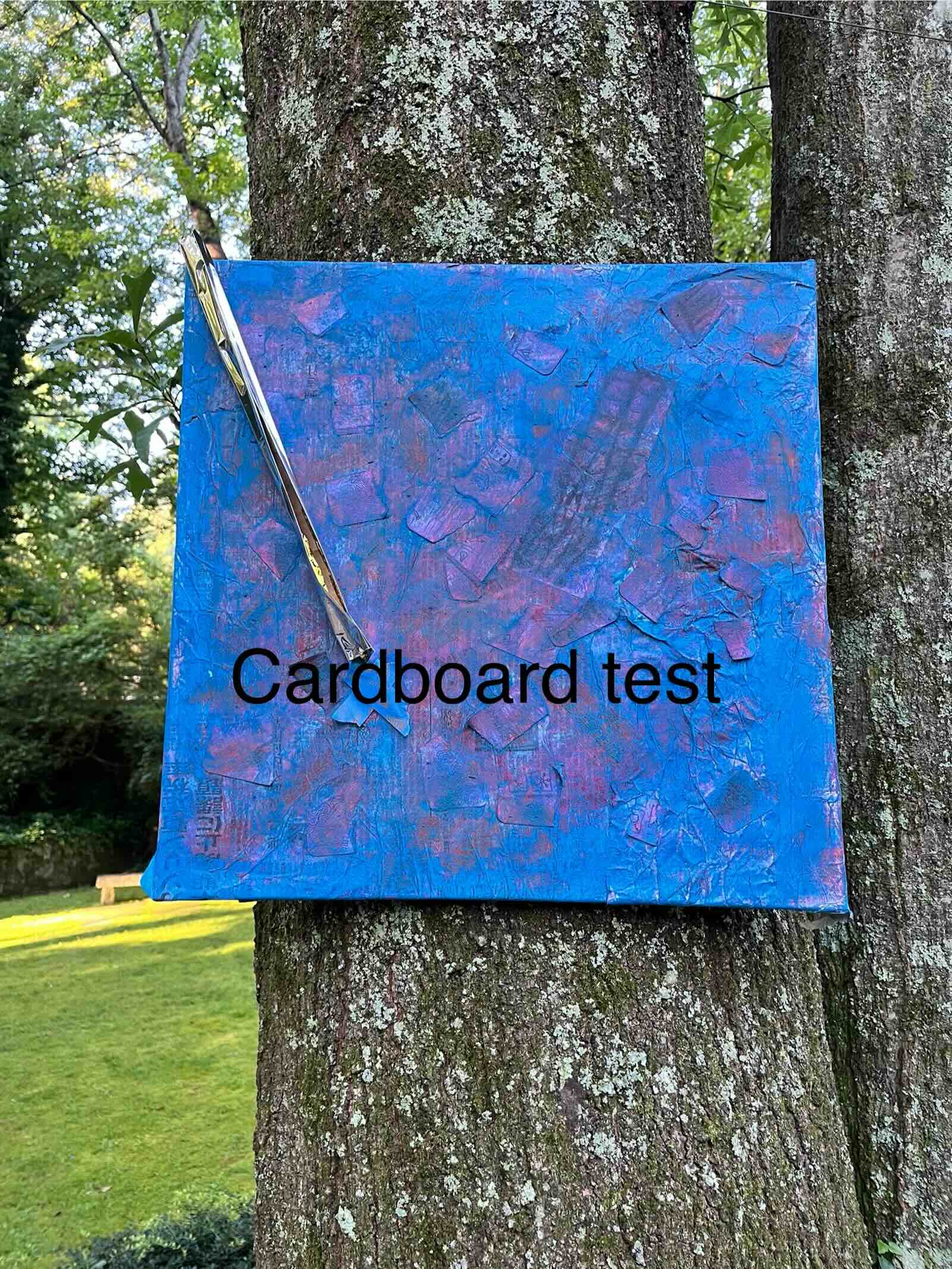
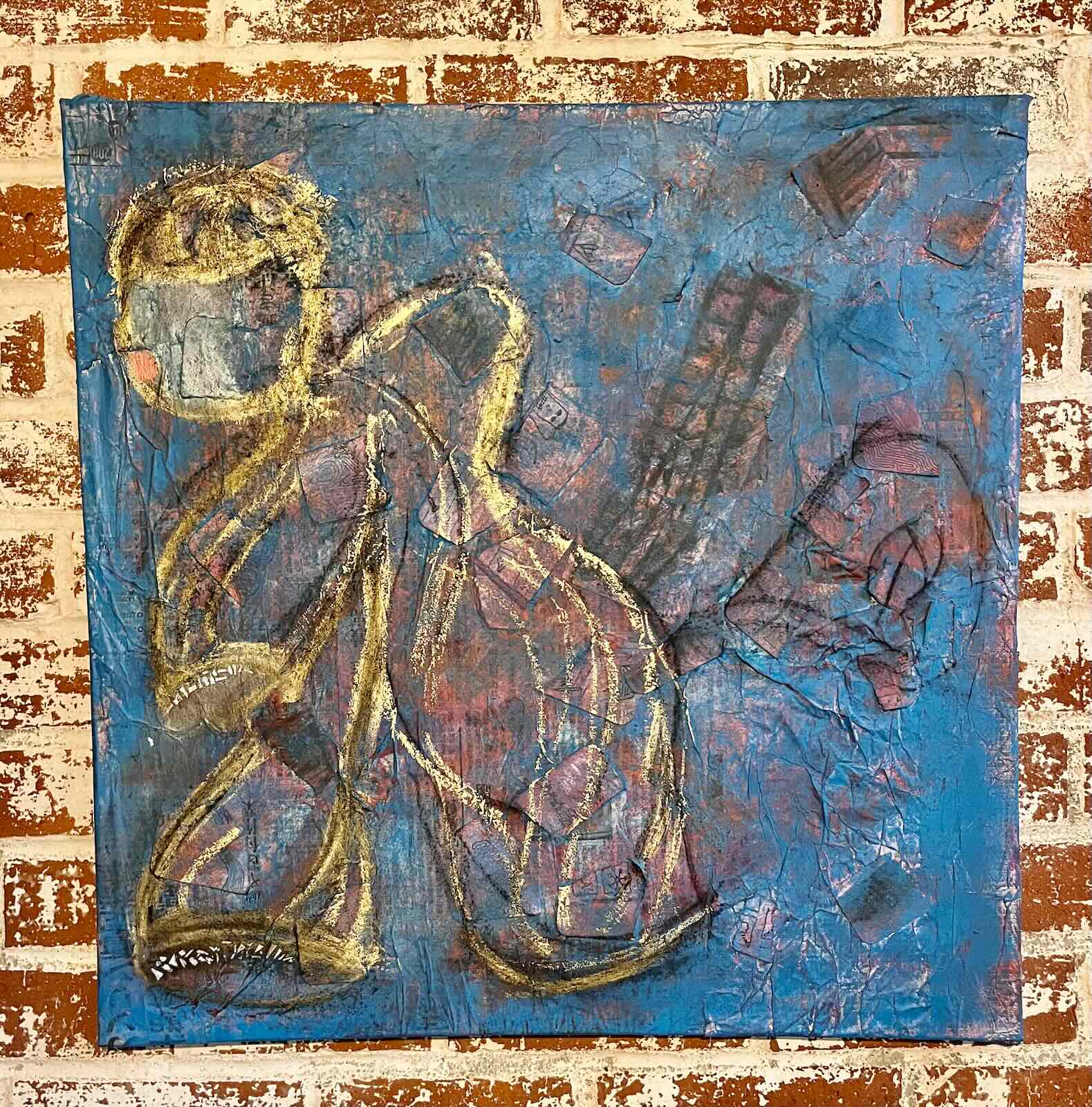
When I got home to Atlanta, a collage class was starting. I built the canvas out of that newsprint — the literal wrapping from the ceramics — layered in the receipts and our little drawings, and painted on top of it. Layer over layer of the actual trip, embedded in the object and then partly buried by it. You can't see most of what's in there. I know it's there. The people who were on the trip know it's there.
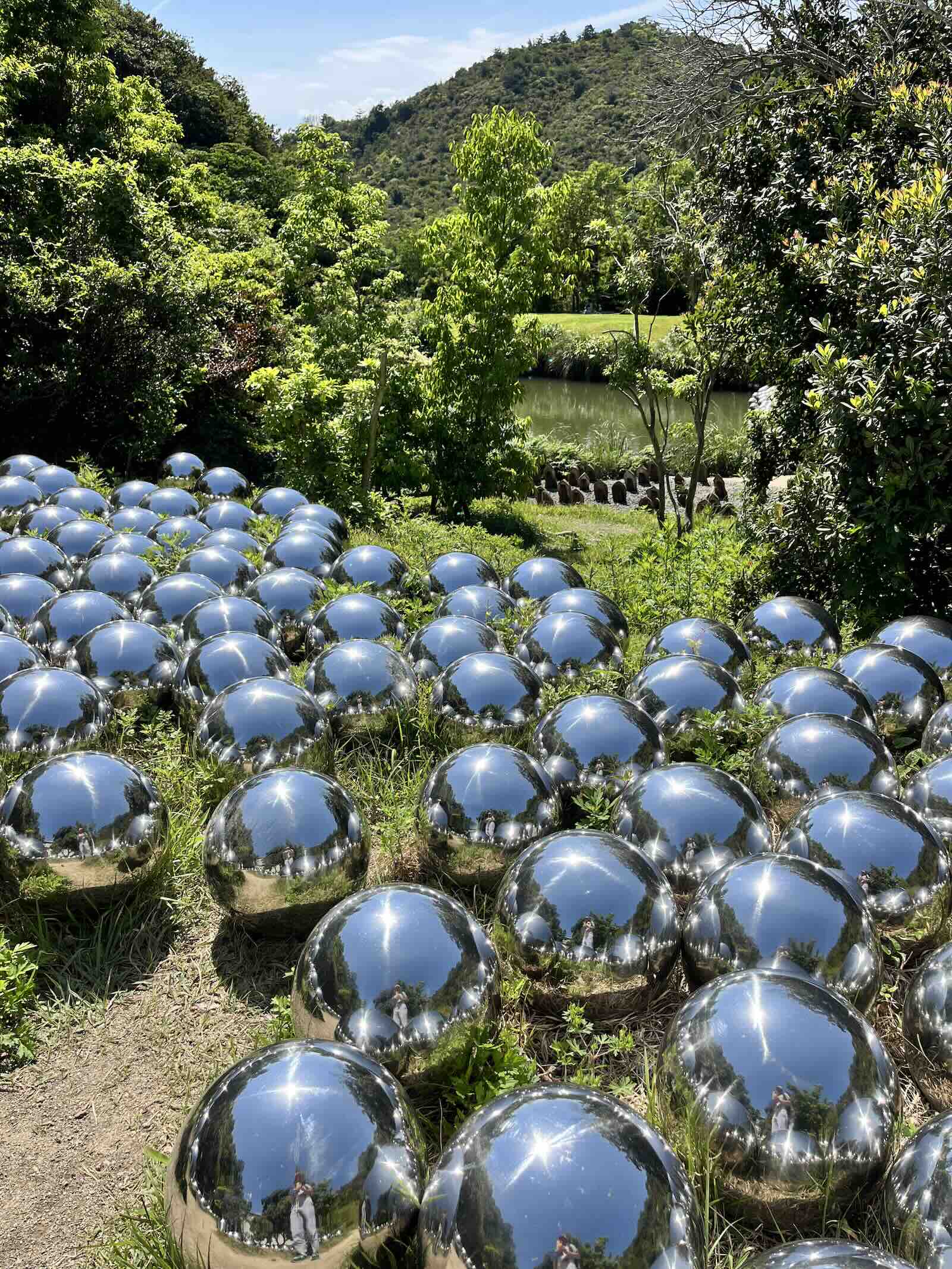
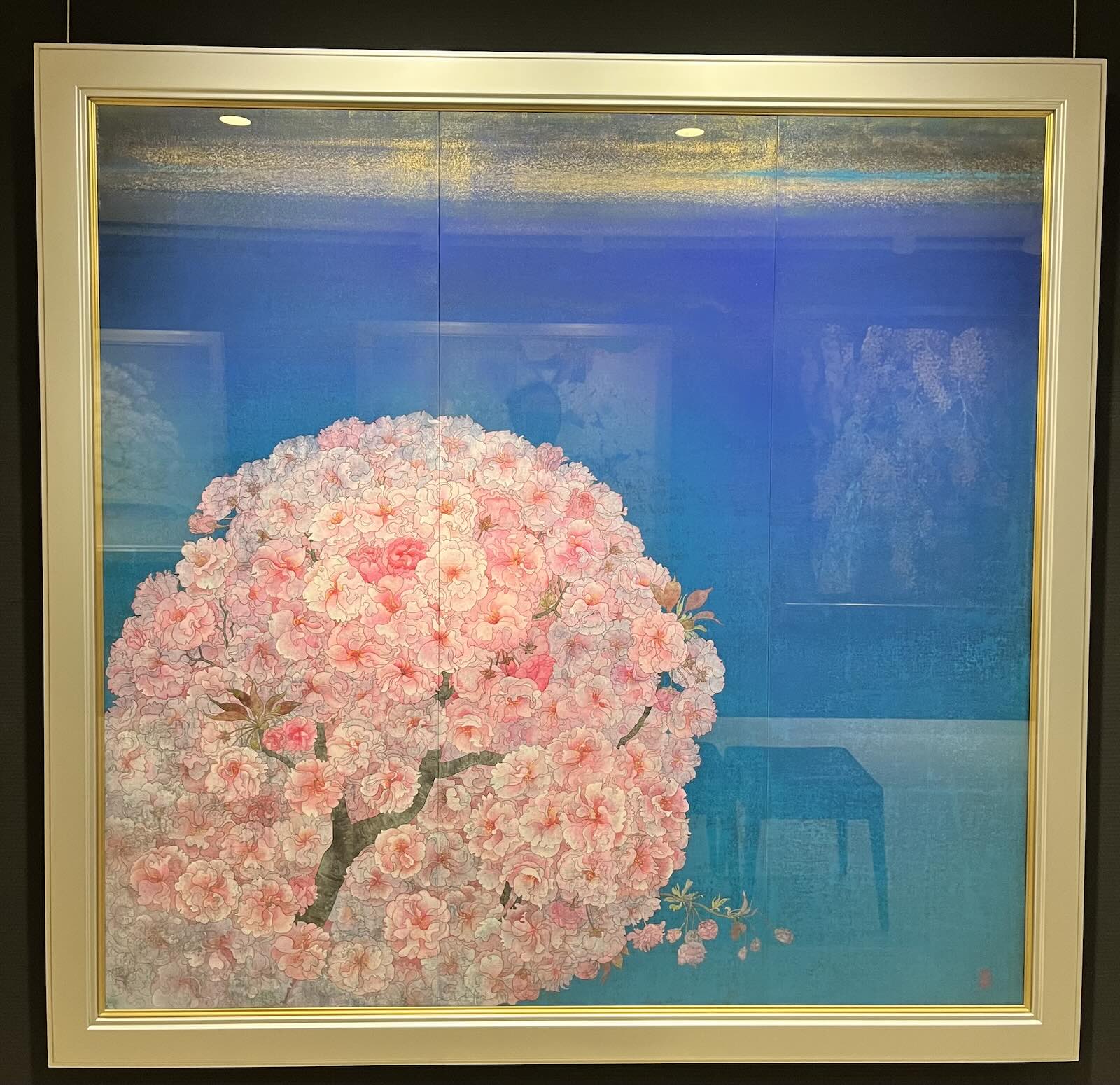
That's the part I want to be clear about: the finished collage is not the point. If you saw it on my wall, you'd probably think nothing of it. The value isn't in the result. It's in the process of making it, and in what each component stands for. It's in the mirrored surfaces, inspired by some of the art I saw. It's in noticing that the blue I bought in Osaka echoed a color I later found in a cherry blossom piece at the Sakura museum. It's in the deliberate act of creating a record from things that would otherwise have been thrown away. And most of all, every time I look at it, the trip and the people who were there come straight back.
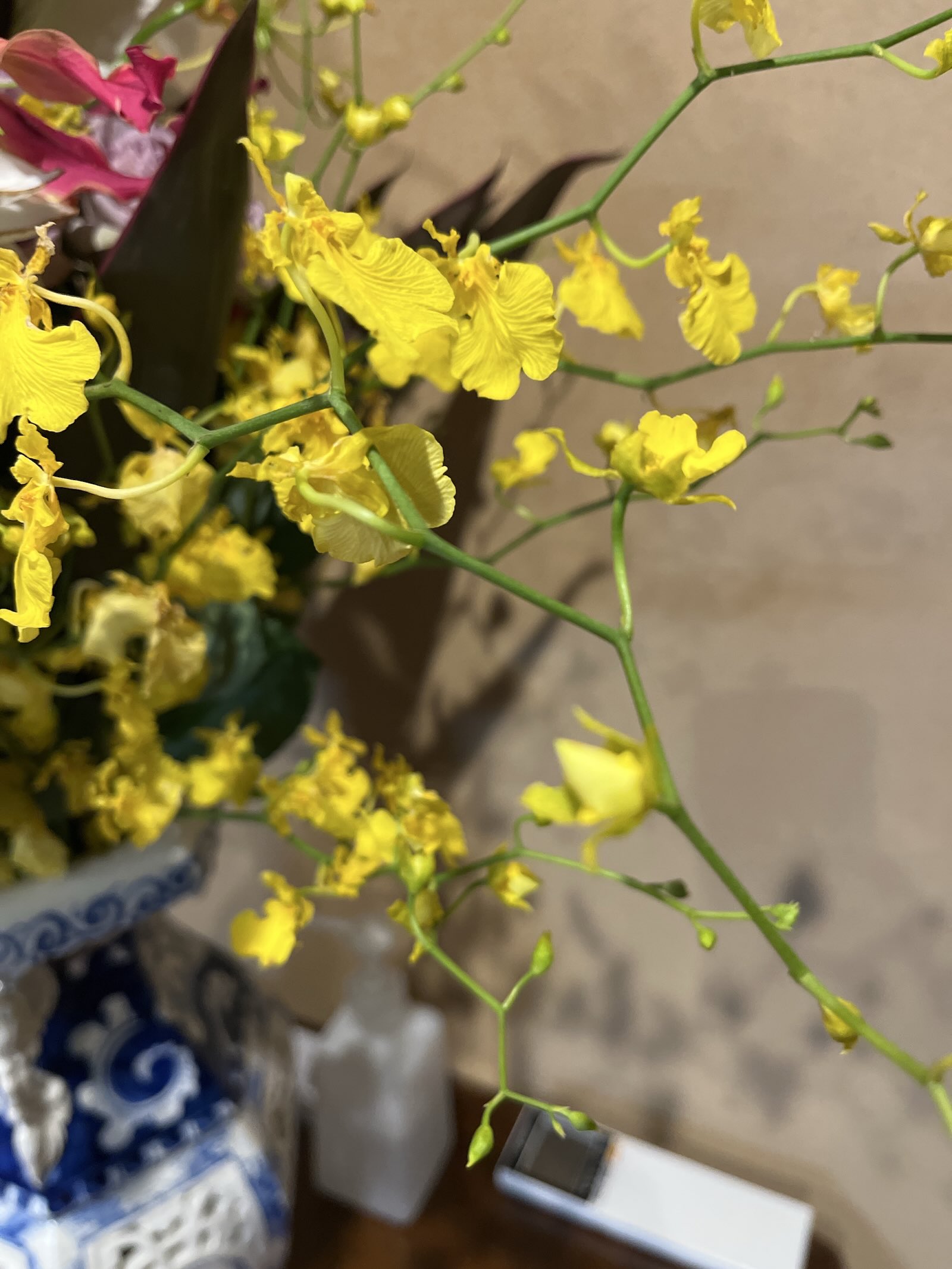
I couldn't put everything in. There was a bouquet of flowers in the Airbnb and the whole place smelled of it the entire time. I never photographed the whole bouquet, just the geisha flowers. But I walk into my house now and the collage in the entryway brings the smell — and our time together — back straight away. That's what the object is for.
The process was the souvenir.