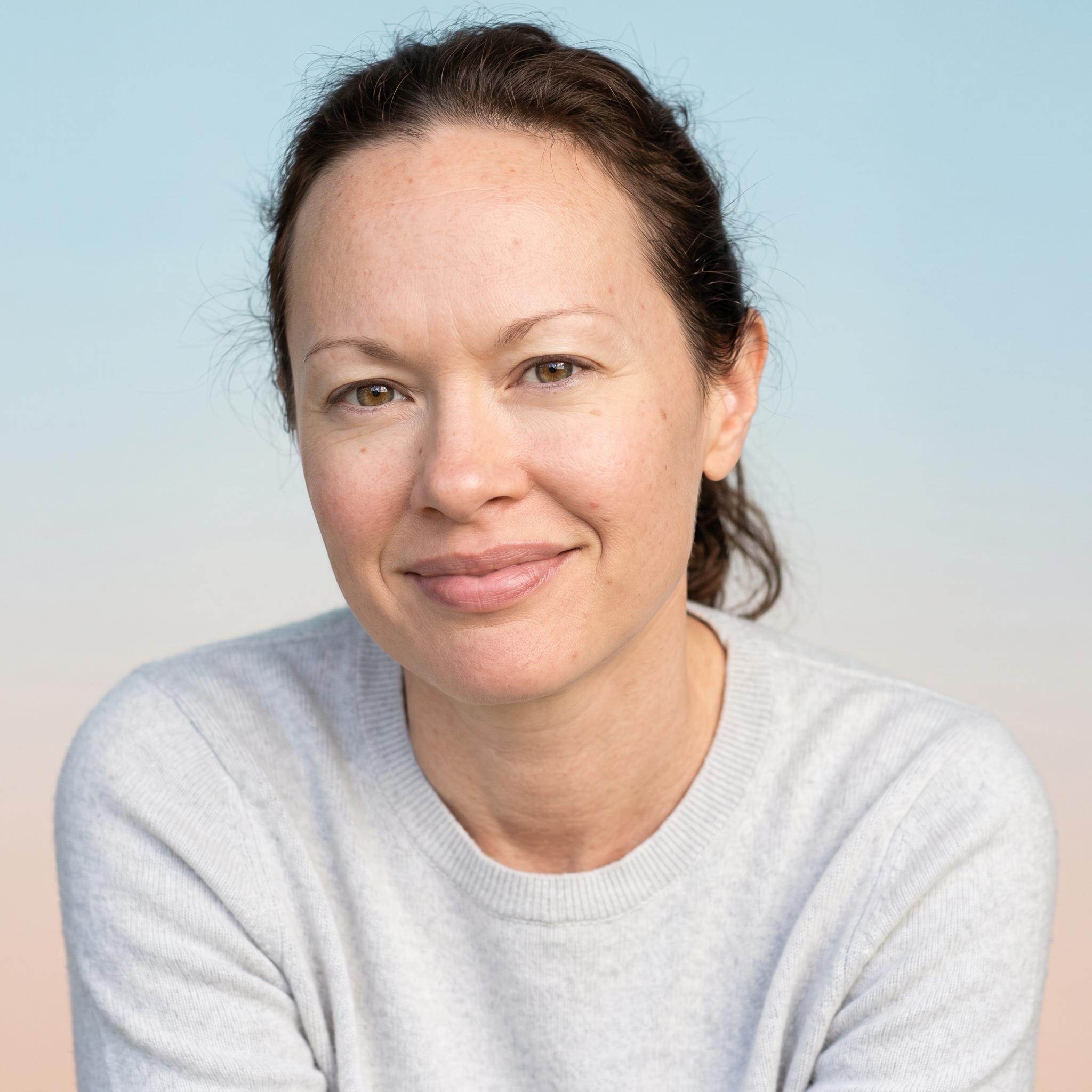
"My partner once asked me what my purpose in life was. No hesitation: to learn as many things as possible."
I'm Rachel. Notice More is a practice I've been running on myself for fifteen years. I just never called it anything.
It's a method for developing the skills, hobbies, and intellectual pursuits that interest you — testing whether you actually like them, getting better at them, and integrating them into the bigger experiences in your life: travel, gatherings, the time around something that matters.
I travel both alone and with family or close friends — often within the same trip. Solo or with others, the output from this practice is always something tangible. A meal hosted. A new staple for the pantry that only you can make. An object made. A new skill. The trip or the experience is the raw material; the artifact is what stays. And it builds. One pursuit threads into the next. A trip to Guatemala becomes years of working with masa. Reading Tanizaki before Japan becomes a collage that hangs in the entryway. Nothing stops at one thing.
While a lot of people spent the past decade scrolling, I was quietly building these threads. I shared them with friends and family — sometimes by feeding them, sometimes by mailing them ingredients, often without naming what I was doing. I'm naming it now because I think other people would benefit from this too.
The work I do for a living is part of why I think I can teach this.
My day job is in health strategy. Part of that includes facilitating teams and interviewing patients, doctors, staff or C suite to get the most important ideas to surface. Notice More is the combination of those skills with the practice I've built for myself outside of work. I started it because I see how the grind wears on people — how work becomes the only creative outlet they have, how the things that actually interest them get deferred to a retirement that may or may not come. That's a waste of a life. You shouldn't have to wait.
The practice you're reading about is built on a method that uses environmental design, behavioral science, and neurological principles — much of which is only just being studied formally. I've been running it on myself for years.
— Facts
- Based inAtlanta, Georgia
- Founded2026
- Practice typeOne-to-one custom preparation and integration practice
- EngagementsThe Session ($549), The Foundation ($2,400), The Long Form ($4,800)
- Duration60 minutes to 8 months
- DeliveredRemotely worldwide (video), with optional in-person in Atlanta
- Adjacent toSlow travel, intentional living, deep work, contemplative practice
- Contact[email protected]
— Influences
Writers, thinkers, and traditions that shaped this practice:
- — In Praise of Shadows (Japanese aesthetics of attention)
- — Status Anxiety; Architecture of Happiness; Art as Therapy
- — Four Thousand Weeks (mortality and time)
- — But What If We're Wrong? (epistemic humility)
- — One Hundred Years of Solitude
- — The Story of Art
- — Huberman Lab podcast (behavioral protocols)
- — Past, Present, Future podcast